
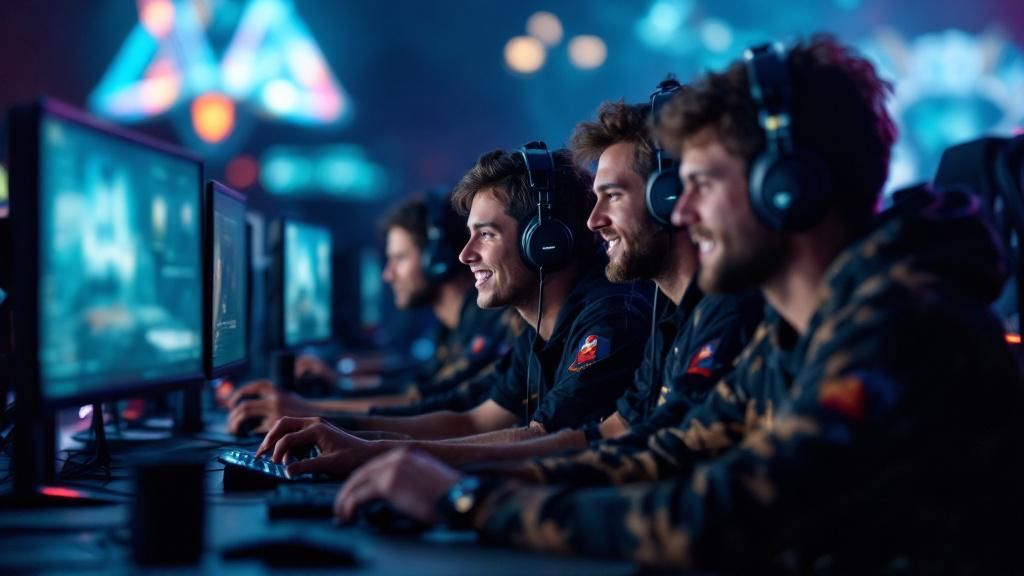
In an ever more connected world, mobile gaming has transcended mere entertainment to function as a significant driver for authentic interpersonal bonds. Tournament competition across platforms like PUBG Mobile and Call of Duty: Mobile has fostered flourishing worldwide communities where gamers forge meaningful friendships whilst competing for dominance. This article explores how competitive gaming tournaments bring people together across different regions, investigating the emotional connections formed through shared passion, collaborative teamwork, and the universal language of competition that transforms recreational players into enduring friends.
The Expansion of Mobile Gaming Groups
The increasing prevalence of smartphones and enhanced internet connectivity has reshaped the gaming landscape, permitting millions of players worldwide to participate in competitive multiplayer experiences from nearly anywhere. What started as simple casual gaming has grown into a advanced ecosystem of coordinated groups, professional tournaments, and purpose-built platforms. Mobile gaming communities have expanded rapidly, with titles such as PUBG Mobile, Clash Royale, and Call of Duty: Mobile attracting hundreds of millions of active players. This unprecedented scale has generated exceptional possibilities for community engagement and competitive play on a global scale.
These rapidly expanding communities have significantly transformed how gamers engage and form relationships. Rather than solitary gameplay, mobile gaming now supports shared networks where players from diverse geographical and cultural backgrounds gather around shared interests. Competitive formats, ranking boards, and tiered progression have formalised competitive play, setting out clear pathways for advancement and recognition. The ease of access to mobile gaming has democratised competitive gaming, eliminating conventional obstacles to entry and enabling emerging players to demonstrate their skills internationally. Consequently, connections made within these communities often transcend the digital realm, becoming genuine meaningful relationships.
Establishing Long-term Friendships Via Competitive Activities
Competitive tournament play functions as a notable catalyst for building authentic connections amongst mobile gamers globally. When players play against one another in structured competitions, they experience shared triumphs and defeats that forge profound emotional connections. These experiences go beyond geographical limits, allowing individuals from different cultural backgrounds to connect on a fundamental level. The intensity of competitive play cultivates reciprocal regard and comprehension between participants, transforming initial acquaintances into trusted teammates and enduring friends who celebrate victories together and stand by each other through challenges.
The cooperative nature of group-based events strengthens relationship building exponentially. Players must maintain strong dialogue, develop strategies collectively, and rely upon each other’s abilities and knowledge. This shared dependence builds mutual respect and belonging that goes far past individual matches. Squad members develop inside jokes, shared memories, and community connection within their gaming networks. The frequent engagement required for event planning deepens these connections progressively, establishing friendship groups that offer emotional support, gaming companionship, and genuine friendship that many participants value as highly as their offline relationships.
Tournament wins and losses alike play a significant role to friendship formation. Marking accomplishments collectively strengthens group cohesion, whilst managing defeats jointly fosters resilience and empathy. Players develop an appreciation for their teammates’ capabilities, work around limitations, and operate in harmony towards shared goals. These collective moments establish a lasting base for enduring bonds that commonly develop across multiple gaming titles and reach into general life relationships, showcasing competition’s remarkable capacity to bring people together genuinely.
Global Tournament Structures and Competitive Gaming
The landscape of competitive mobile gaming has transformed significantly over the past decade, developing advanced structural systems that support competition on an extraordinary international scope. Leading esports bodies and software creators have allocated considerable funding in developing organised competitive frameworks, area-based qualifying rounds, and worldwide tournaments that cater to countless gaming participants worldwide. These competitive events run across different divisions, from grassroots community competitions to officially recognised competitions offering considerable prize money. The standardised formats maintain equitable play whilst enabling players from diverse geographical locations to test themselves against each other, fostering a sense of belonging within the wider gaming community and demonstrating that skill transcends national and cultural divides.
Competitive tournament structures have proven to be crucial in creating clear progression pathways for aspiring professional gamers and casual enthusiasts alike. Ranked seasons, ranking ladders, and achievement-based advancement mechanisms encourage ongoing participation and personal improvement amongst participants. The transparent nature of tournament competition—where gameplay statistics are publicly displayed and accomplishments are widely acknowledged—creates an atmosphere of merit-based recognition that attracts competitors seeking validation and recognition. Furthermore, the integration of live streaming platforms and spectator modes has transformed competitive mobile gaming events into communal events, enabling vast audiences to watch exciting competitions whilst simultaneously reinforcing the connections between players and fans who rejoice in wins and sympathise with losses together.
The Social Consequences of Structured Gaming Competitions
Formalised gaming competitions have substantially altered how players perceive rivalry and collective participation. These tournaments serve as facilitators of meaningful interactions, overcoming geographical boundaries and cultural differences. When gamers compete on a worldwide platform, they experience a shared sense of purpose that deepens relationships amongst participants. The formal design of organised tournaments creates chances for competitors to demonstrate their skills whilst simultaneously earning recognition from competitors. This environment fosters genuine friendships that commonly stretch beyond the competitive sphere into everyday life, illustrating how organised tournaments function as meaningful relationship builders in the modern era.
The cascading impacts of these esports competitions permeate entire communities, inspiring younger players and creating mentors within the professional gaming environment. Major competitions broadcast worldwide demonstrate that gaming carries genuine cultural value, motivating competitors to commit meaningfully in their peer groups. Players commonly note that competitive involvement has enhanced their interpersonal abilities and teamwork capacity with people from different backgrounds. Moreover, the sponsorship and media coverage surrounding major events legitimise gaming as a legitimate social activity, inspiring relatives and peers to back competitive players. This acknowledgement converts individual gaming pursuits into celebrated cultural phenomena that deepen connections across nations.
